Air Duct Sanitizing: What It Is, What It Is Not, and When It Makes Sense
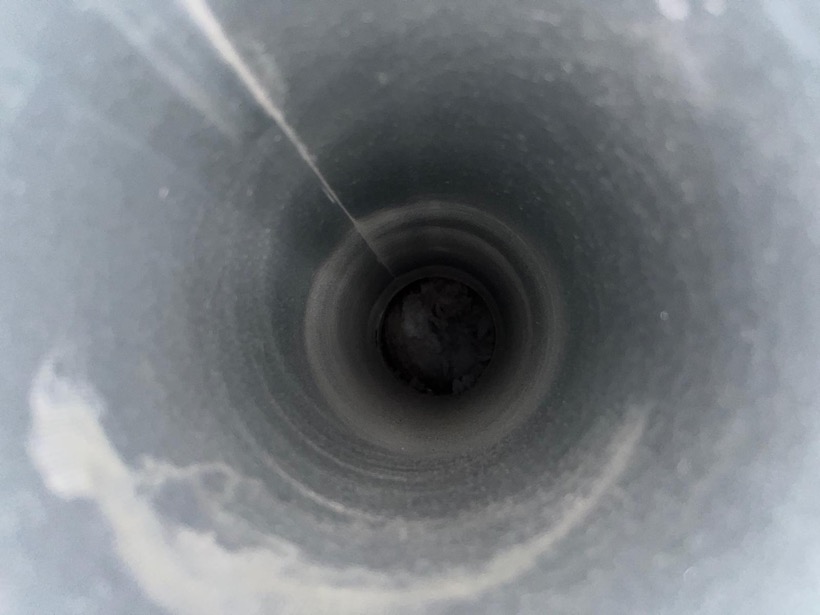
Air duct sanitizing is an optional step in which an EPA registered antimicrobial is applied inside the duct system after the ducts have been cleaned, following the product label. It is an add on to a cleaning, not a substitute for one, and it does not fix the moisture that lets growth start. We offer it, never require it.
Sanitizing is also where duct cleaning gets oversold: a photo taken inside a dark duct becomes the pitch for a package added in the driveway. Here is what it is, what EPA says about it, and when it makes sense.
What is air duct sanitizing?
It is the application of an antimicrobial product to the inside surfaces of a duct system that has already been cleaned. EPA classes these products as antimicrobial pesticides, which are used to destroy or suppress the growth of microorganisms on inanimate objects and surfaces. Ours is optional antimicrobial fogging after a cleaning, applied on label.
The word “sanitizing” sets a lower bar than many ads suggest. In EPA’s definitions of antimicrobial products, a sanitizer is used to “reduce, but not necessarily eliminate, microorganisms” from the inanimate environment. The product label states what it is registered to do.
What does “applied on label” mean?
It means the product is used only for the uses and surfaces its label lists, in the way the label directs. Chemical biocides are regulated by EPA under federal pesticide law, and EPA states that “it is a violation of federal law to use a pesticide product in any manner inconsistent with the label directions.” That is the minimum standard.
Why does sanitizing come after cleaning, not instead of it?
Because the product is meant for clean duct surfaces, not for the dust on top of them. The EPA guide to air duct cleaning says these treatments “should only be applied, if at all, after the system has been properly cleaned of all visible dust or debris.” Cleaning comes first; sanitizing, if you choose it, comes after.
That is why we offer sanitizing only as an add on to an air duct cleaning service, never as a replacement for one. See how air duct cleaning works for the cleaning itself.
What does sanitizing not do?
It does not fix moisture, it is not mold remediation, it is not registered for every kind of duct, and it is not a health treatment. EPA’s own guidance spells most of these limits out. Here is what it says on each point.
- Moisture. EPA says “controlling moisture is the most effective way to prevent biological growth in air ducts,” and that if the conditions causing growth are not corrected, it will recur. If the problem is a smell, see musty smell from AC vents.
- Mold remediation. We do not perform mold remediation. Growth on insulation, drywall or the air handler housing needs a licensed mold remediation contractor, and EPA says wet or moldy duct insulation “cannot be effectively cleaned and should be removed and replaced.” Our guide to mold in air ducts covers where cleaning stops.
- Duct material. EPA notes that no products are currently registered as biocides for fiberglass duct board or fiberglass lined ducts, and that the products it discusses are registered “solely for the purpose of sanitizing the smooth surfaces of unlined (bare) sheet metal ducts.”
- Health. EPA says targeted use of chemical biocides may be appropriate in specific circumstances, but research “has not demonstrated their effectiveness in duct cleaning.” We do not offer it as an allergy or health fix.
When does air duct sanitizing make sense?
When there is visible growth on bare sheet metal duct, the ducts have been cleaned, the moisture behind it has been dealt with, and the label allows the product on that surface. EPA says a provider should first “demonstrate visible evidence of microbial growth in your duct work” and explain why brushing and moisture control are not enough.
If you go ahead, EPA’s guidance is to apply the product “only to un-insulated areas of the duct system after proper cleaning, if necessary to reduce the chances for re-growth of mold,” and strictly according to its label. It makes little sense as a routine add on when nobody can show you growth, when the growth is on insulation or duct board, or when the moisture problem is still there.
| Air duct cleaning | Air duct sanitizing | |
|---|---|---|
| What it does | Removes dust and debris from the ducts, registers, air handler and blower wheel | Applies an EPA registered antimicrobial to cleaned duct surfaces, on label |
| Required? | It is the service | Optional add on |
| When | First | Only after cleaning |
| Fixes the moisture source? | No | No |
| Price | Treasure Coast: from $99 for a single family home of about 2,500 sq ft with up to 10 vents; larger homes quoted in writing | Add on price confirmed in writing before work starts |
Not sure you need it? Ask us. On the Treasure Coast call 772-577-2765; in Frisco and nearby towns call 469-405-6353.
Can people and pets stay home during sanitizing?
EPA’s consumer checklist is direct: “As a precaution, you and your pets should leave the premises during application.” EPA also notes that some low toxicity products may be legally applied while occupants are present, so read the product label as well, and ask to see it before the appointment.
What should you ask before anyone sanitizes your ducts?
Ask to see the growth and the label, ask whether the product is registered for the duct material in your home and will go on after cleaning, and ask for the price in writing. Most of these questions come from EPA’s guidance, and an honest company can answer all of them before the work is booked.
- Can you show me the growth? A petri dish “test” does not count; EPA calls that approach inappropriate, because some microorganisms are always present in the air.
- Can I see the label? EPA says it “will describe its range of approved uses.”
- Is it registered for my ducts? Duct board and fiberglass lined duct are the ones to ask about.
- What does the label say about people and pets?
What does air duct sanitizing cost?
Sanitizing is priced as an add on to an air duct cleaning, and its price is confirmed in writing before any work starts, with the rest of the quote. There are no on site upsells: if you did not agree to it in writing, it does not get added to the invoice.
On the Treasure Coast the cleaning itself starts from $99 for a single family home of about 2,500 square feet with up to 10 vents, and larger homes and second systems are quoted in writing first. See air duct cleaning cost for how the price is built. In Frisco, every job gets a flat quote in writing before work starts.
Thank you! Your request is in.
We received your details and will call or text you the same day to confirm your appointment.
Need us right now? Call 772-577-2765
Frequently asked questions
Is air duct sanitizing the same as air duct cleaning?
No. Cleaning removes the dust and debris that has collected in the ducts, registers, air handler and blower wheel. Sanitizing is an optional step afterward, in which an EPA registered antimicrobial is applied to the cleaned surfaces according to its label, never in place of the cleaning itself.
Does sanitizing get rid of mold in air ducts?
Not on its own. EPA says moisture control is the most effective way to prevent growth in ducts, and that wet or moldy duct insulation cannot be effectively cleaned and should be replaced. EPA adds that on bare sheet metal, cleaning and treatment with an EPA registered biocide are possible. We do not perform mold remediation; that needs a licensed mold remediation contractor.
Do I need sanitizing after duct cleaning?
Not automatically. EPA's guidance is that a provider should first show you visible evidence of growth and explain why brushing and moisture control are not enough. If nobody can show you growth on bare sheet metal duct, there is little reason to add it. It is your choice, it is priced in writing first, and we will not push it.
Ask about sanitizing, or whether you need it at all
On the Treasure Coast we offer optional sanitizing with air duct cleaning across St. Lucie, Martin and Indian River counties: call 772-577-2765. Our Frisco office offers it as an EPA registered antimicrobial applied on label in Frisco, Plano, McKinney, Prosper, Little Elm, The Colony and Allen: see air duct cleaning in Frisco, TX or call 469-405-6353.