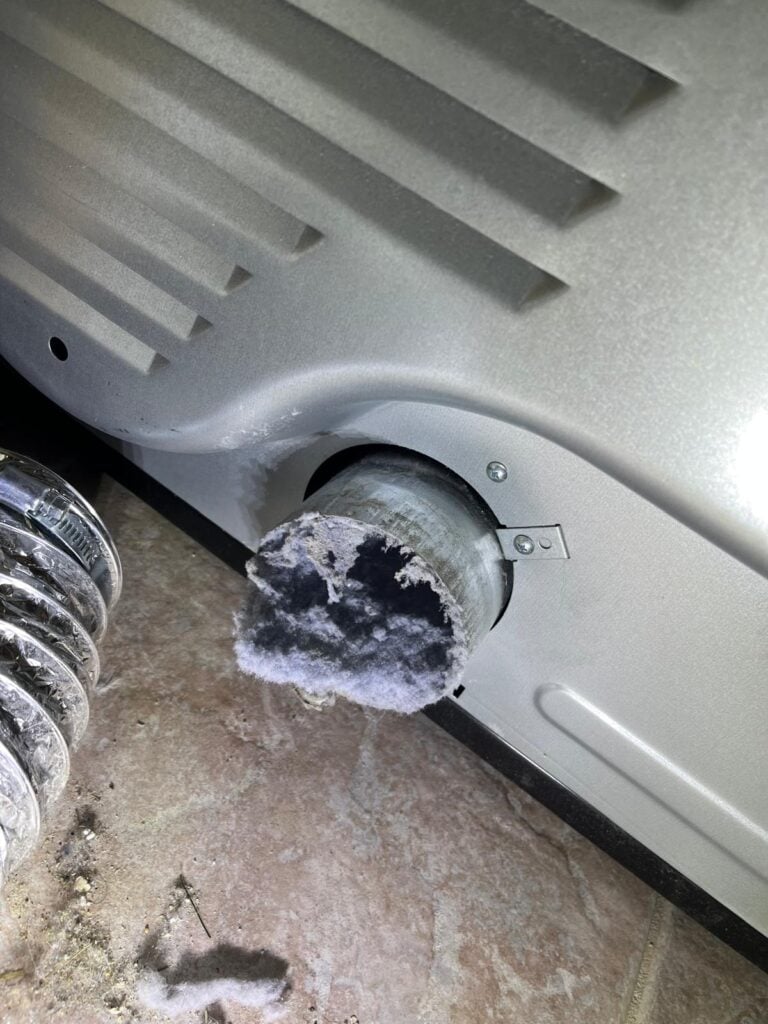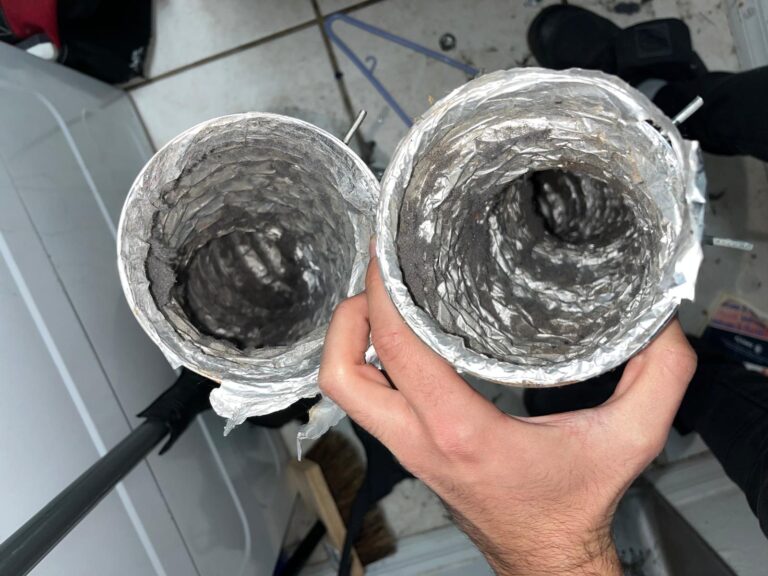
Dryer fire prevention sounds boring. Then your neighbor’s laundry room catches fire, the smoke alarm starts screaming at 2am, and suddenly it isn’t boring at all. Dryer fires are one of the most preventable categories of home fire in the United States — roughly 2,900 per year, with 5 deaths and $35M in property damage annually per the US Fire Administration. The vast majority trace back to one root cause: lint.
This guide covers what causes dryer fires, the specific risk factors in Florida homes, and a step-by-step plan to keep your home off the statistics list.
What actually causes a dryer fire
Three conditions have to be present for a dryer fire to start:
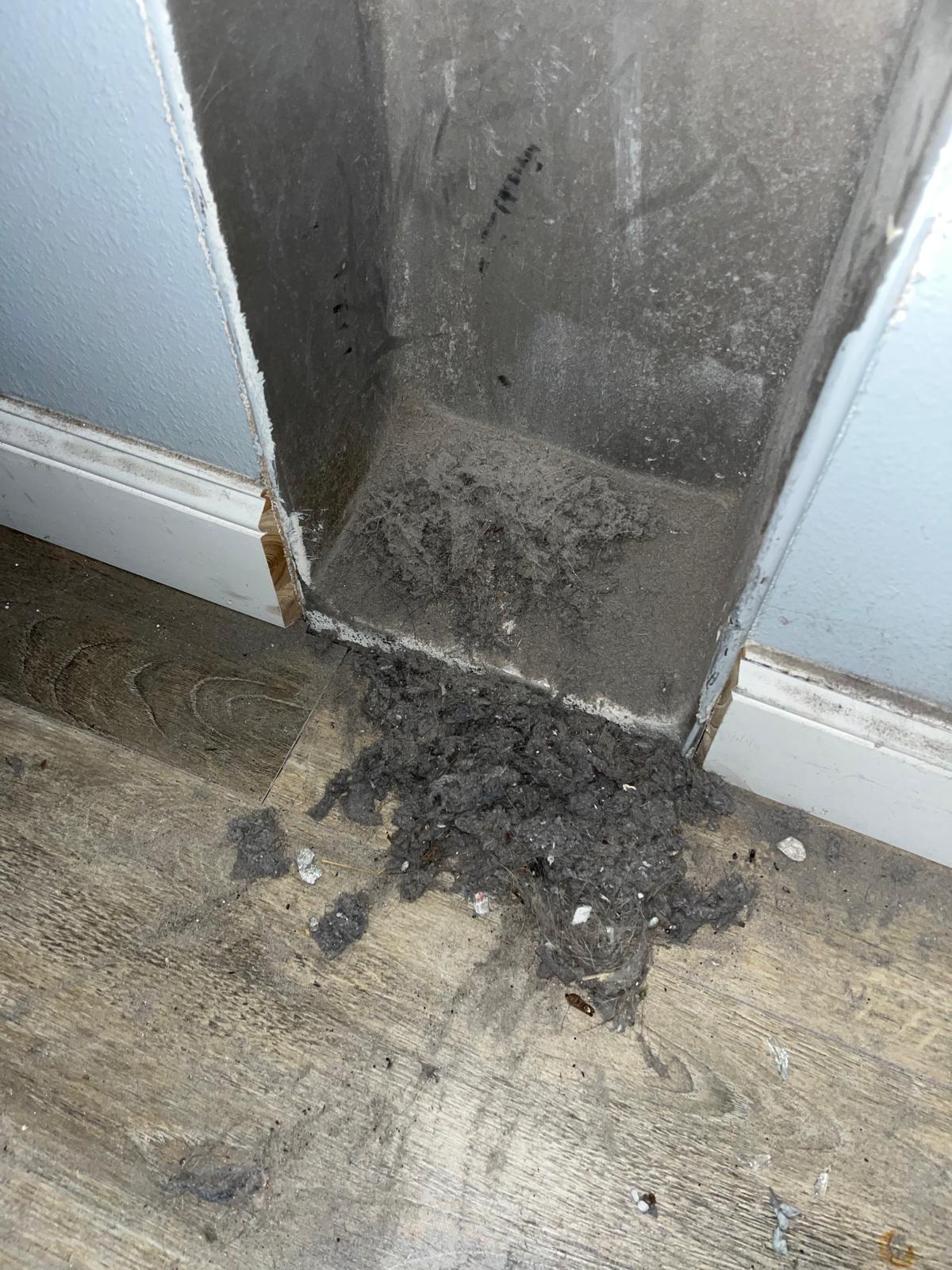
- Fuel. Lint. It’s essentially shredded cotton and synthetic fiber — one of the most flammable materials in your home. A pound of lint has roughly the energy content of a pound of dry pine.
- Heat. The dryer’s heating element runs at 150-200°F. The lint trap, the back of the drum, and the vent line all sit close to that heat.
- Restriction. A clogged vent traps the heat. Internal temperatures climb past their design point. The lint that’s already on the heating element ignites.
That last condition — restriction — is the one homeowners control. Keep the vent clear and the temperature stays in range. Let it clog and the system loses its margin.
Why Florida homes are at extra risk
- Year-round dryer use. No “winter laundry break.” Vents fill up 12 months a year.
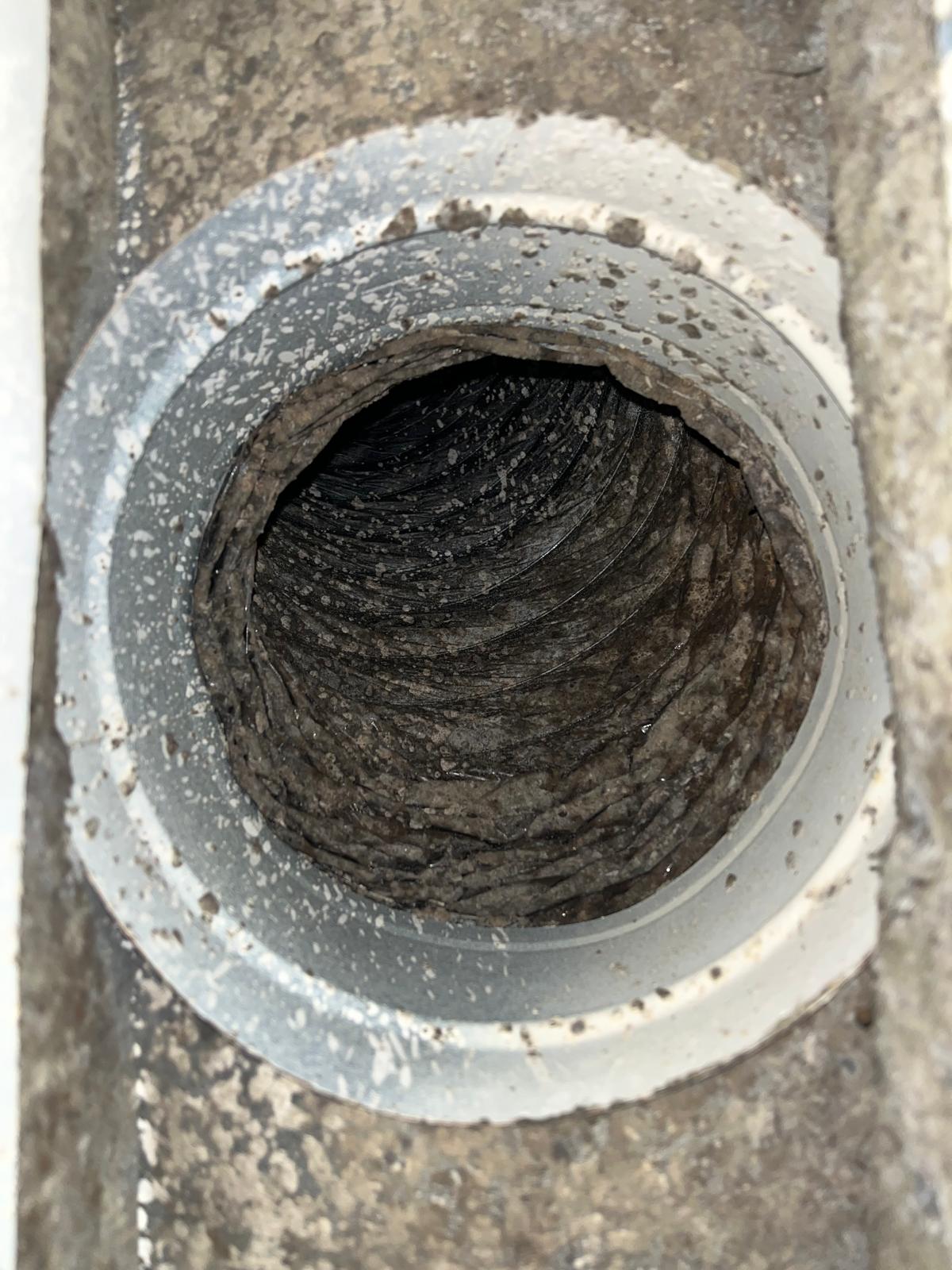
- Long vertical roof vents. Common in 2-story homes; the long run + bends collect lint fast.
- Bird and rodent nests in the exterior vent hood. The vent hood is a perfect protected cavity for nesting; common across the Treasure Coast.
- Coastal humidity. Lint absorbs ambient humidity and becomes denser and more flammable.
- Hurricane-season power flickers. Repeated start-stop cycles on the dryer wear out the thermal protectors that are supposed to shut it down before overheating.
The dryer-fire prevention checklist
Daily (every load)
- Empty the lint trap before every load. Not after — fibers can ignite on a hot screen between loads.
- Never run the dryer overnight or while away from home.
- Don’t dry rags that have been used with oil, paint thinner, or gasoline — they can self-ignite from residual heat.
Monthly
- Wash the lint screen with warm water and a soft brush. Fabric-softener residue can clog the screen invisibly.
- Check the outside vent hood while the dryer runs. Air should push out strongly.
Quarterly
- Vacuum behind the dryer and under it (lint accumulates on the motor and is just as flammable as inside the vent).
- Check the flexible transition hose for kinks, crushed sections, or holes.
Annually
- Get a professional dryer vent cleaning. Every 6 months for heavy use households.
- Replace flexible white plastic transition hose with rigid metal duct.
- Inspect and (if needed) replace the dryer vent hood and bird/rodent guard.
SunDuct provides full dryer vent cleaning — drum to roof cap, exterior hood inspection, manometer airflow test. Across Port St. Lucie, Vero Beach, Fort Pierce.
Call 772-577-2765 or request a quote.Dryer fire detection (so you know it’s happening)
Detection is your last line of defense. The plan:
- Working smoke alarm in the laundry room. Heat-and-smoke combination if possible.
- Smoke alarm in the hallway adjoining the laundry room, interconnected with the others.
- A fire extinguisher rated A-B-C within 10 feet of the dryer — and someone in the house who knows how to use it (PASS: Pull, Aim, Squeeze, Sweep).
- Never store cardboard, paper, or chemicals next to the dryer. Most laundry rooms are also where the bleach lives — this is fine, but don’t put it on top of the dryer.
What to do if a dryer fire starts
- Unplug the dryer at the wall if you can do so safely.
- Close the dryer door. Starving the fire of oxygen will often suppress it.
- Get everyone out. Don’t try to fight a fire bigger than your extinguisher.
- Call 911 from outside the home.
- Never throw water on an electrical fire.
Bottom line
Dryer fires are dramatic but they’re also one of the most preventable home fires in America. The single biggest action you can take this year is an annual professional dryer vent cleaning. For most Treasure Coast homes, that’s $129 if you bundle with air duct cleaning, takes about an hour, and resets the risk clock to zero. Call SunDuct at 772-577-2765 or request a quote online.
Got air-duct or dryer-vent questions?
SunDuct is the Treasure Coast’s local team for honest, NADCA-standard cleaning. Same-day appointments often available.
Frequently Asked Questions
Dryer fire prevention: common questions
Are gas dryers more dangerous than electric ones?
Not really, at least not for the reason people assume. Both types start fires the same way: lint accumulates, the vent restricts, heat builds up with nowhere to go, and eventually the lint ignites. Switching from gas to electric does not remove that risk. What gas does add is a second failure path, because a blocked vent can push combustion byproducts including carbon monoxide back into the house instead of outside. So if your dryer runs on gas, put a working carbon monoxide alarm in or near the laundry room and treat a blocked vent as an immediate stop-using-it situation rather than a weekend project. The variable you actually control, on either fuel, is the restriction.
Can I vent my dryer inside with one of those indoor lint trap kits?
No, and in a Florida house it is a particularly bad idea. Never do it with a gas dryer under any circumstances, because that vents combustion byproducts straight into your living space. Even with an electric dryer, the residential mechanical code that Florida builds on requires dryer exhaust to terminate outside the building, and most manufacturers say the same thing in the manual. Beyond the code, think about what you are actually doing: every load’s worth of water vapour, plus the fine lint the bucket does not catch, released into a house that is already fighting humidity nine months a year. People install these kits to save heat in cold climates. There is nothing to save here, and plenty to lose.
What kind of duct is my dryer vent supposed to be made of?
Rigid metal, four inch, smooth on the inside. The white plastic and thin foil accordion hoses sold in hardware stores are the ones that sag, trap lint in every ripple, and burn. The code allows a short listed flexible transition hose behind the appliance, kept as short as possible and never concealed inside a wall or ceiling. Two details most people miss: joints should not be fastened with screws that poke into the duct, because every screw tip inside the airflow becomes a lint catcher, and total developed length is capped, commonly at thirty-five feet with a deduction for every elbow. Check your dryer’s manual too, since some manufacturers specify a shorter maximum than the code allows.
My dryer vent goes up through the roof. Is that more dangerous?
Not inherently, but it is far more likely to be neglected, which comes to the same thing. A roof run is longer, usually has more elbows, and cannot be reached from the laundry room, so it tends to go years without anyone touching it while lint quietly builds at every bend. The other thing worth checking is the termination itself. A dryer vent cap is supposed to have a backdraft flapper and no screen, because a screen traps lint and blocks the line fast. If someone has fitted a mesh screen or a pest guard with fine mesh to keep birds out, that is a common and well-meant mistake, and it is a restriction you want dealt with rather than left.
Does homeowners insurance cover a dryer fire?
Fire is generally a covered peril under a standard homeowners policy, so in most cases the damage from a dryer fire is claimable. That is not the whole picture, though. You still carry the deductible, you still lose the use of the house while it is repaired, and a claim can get complicated if there is clear evidence of long-term neglect. Read your own policy and ask your agent rather than relying on a general answer from us. What we would say is that keeping a dated receipt for annual professional vent cleaning is a very cheap piece of documentation, and it is useful for exactly the conversation you hope never to have.