Mold in Air Ducts: Signs, Health Risks & What to Do
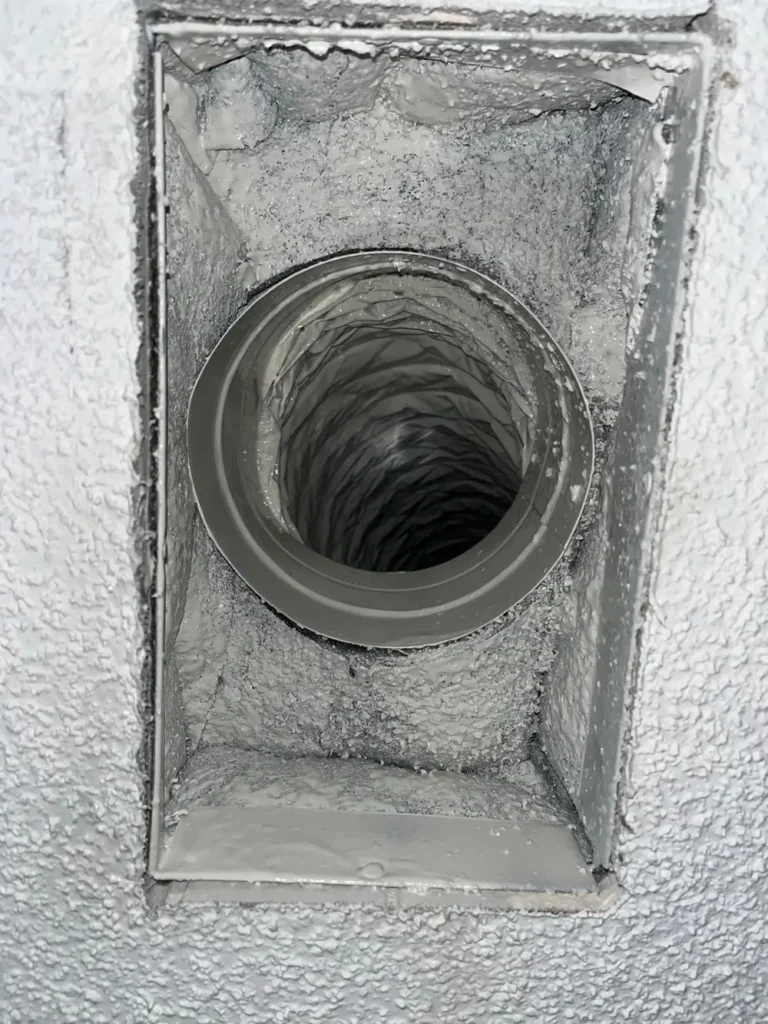
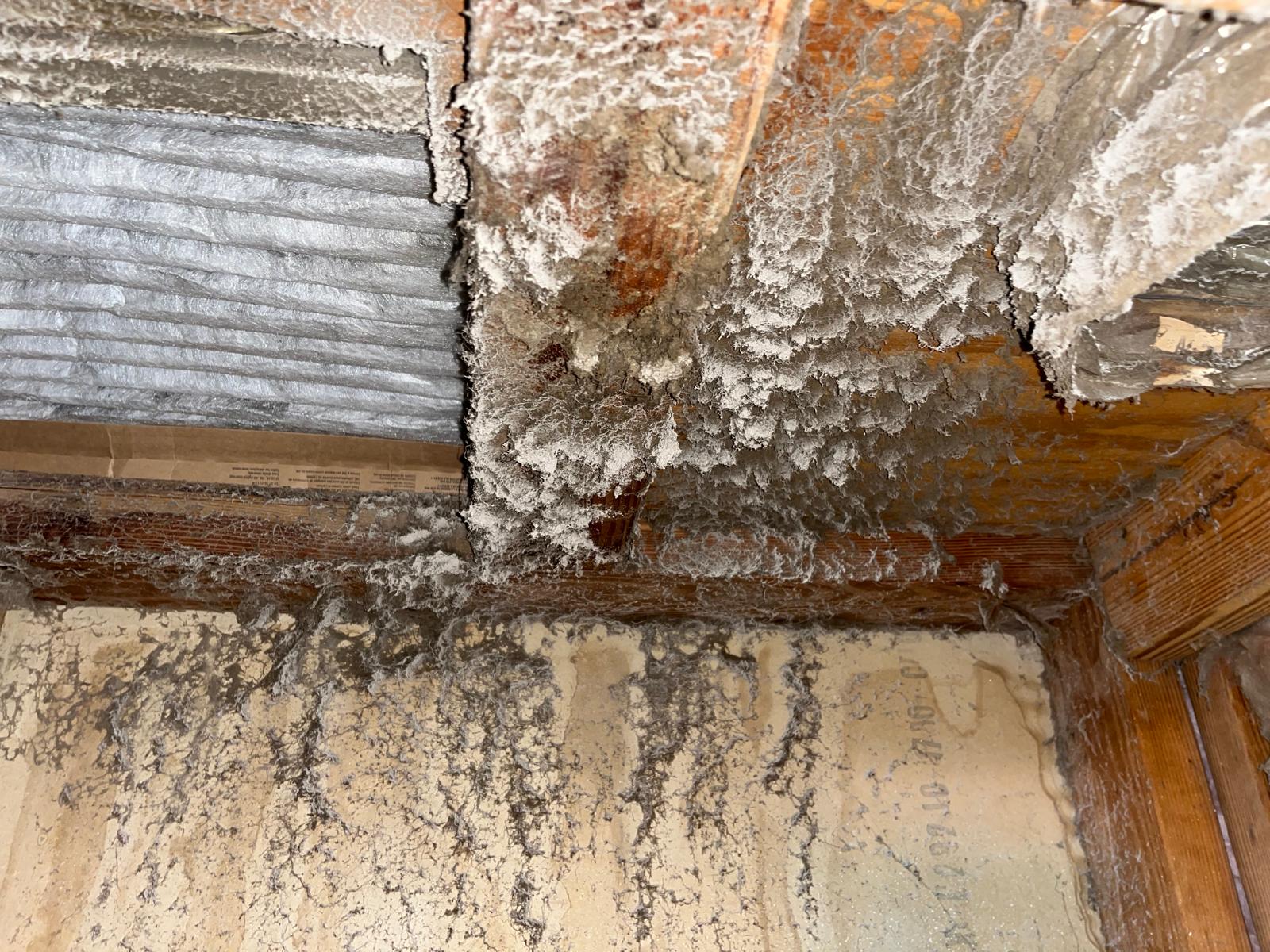
Mold in air ducts is one of the most common — and most under-recognized — indoor air quality issues in Florida homes. Our HVAC systems run almost year-round, condensation collects on duct walls, and the dark interior of a duct is a near-perfect mold habitat. If you’ve noticed a musty smell when the AC kicks on, dark spots around vent registers, or unexplained allergy symptoms that worsen indoors, mold in your ductwork is a likely culprit.
This guide walks through how to identify mold in air ducts, the real health risks involved, and the steps a homeowner should take — including when professional air duct cleaning and duct sanitizing are appropriate, and when a mold remediation contractor needs to come in instead.
Can dirty air ducts cause eczema?
Dirty ducts do not directly cause eczema, but they circulate dust mites, mold spores, and pet dander that can trigger flare ups in people with sensitive skin. Florida humidity makes duct mold more likely. If symptoms get worse when the AC runs, a $99 duct cleaning from SunDuct in Port St. Lucie removes those airborne irritants at the source.
How mold gets into air ducts (especially in Florida)
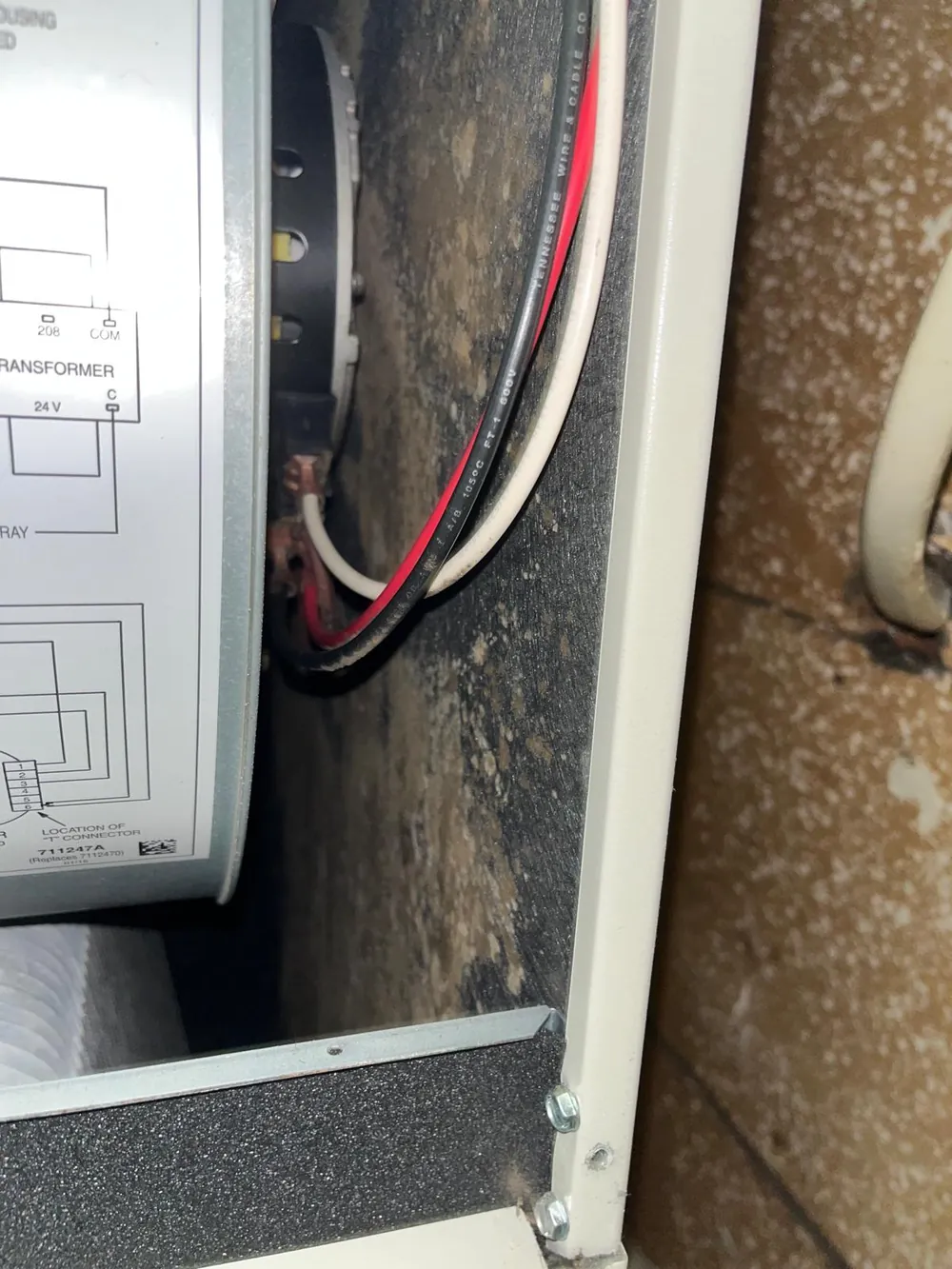
Mold spores are everywhere. They become a problem when they land on a damp surface with a food source — and the inside of an AC duct is exactly that. Three Florida-specific factors make duct mold uniquely common here:
- Humidity. Florida outdoor humidity averages 75-90%. Even with a well-running AC, ductwork is a cold surface in a humid environment, which means condensation.
- Long AC seasons. Most Treasure Coast homes run cooling 9-10 months a year. The system never gets a dry rest period.
- Older or oversized AC units. An oversized AC short-cycles — it cools the room fast but doesn’t dehumidify, so moisture lingers in the ducts.
Add in any of the usual triggers — a roof leak above the ductwork, a leaky return plenum drawing in attic moisture, or a clogged condensate drain — and a home can go from clean ducts to visible mold growth in a single rainy season. Wondering about timing? Read how often to clean your air ducts.
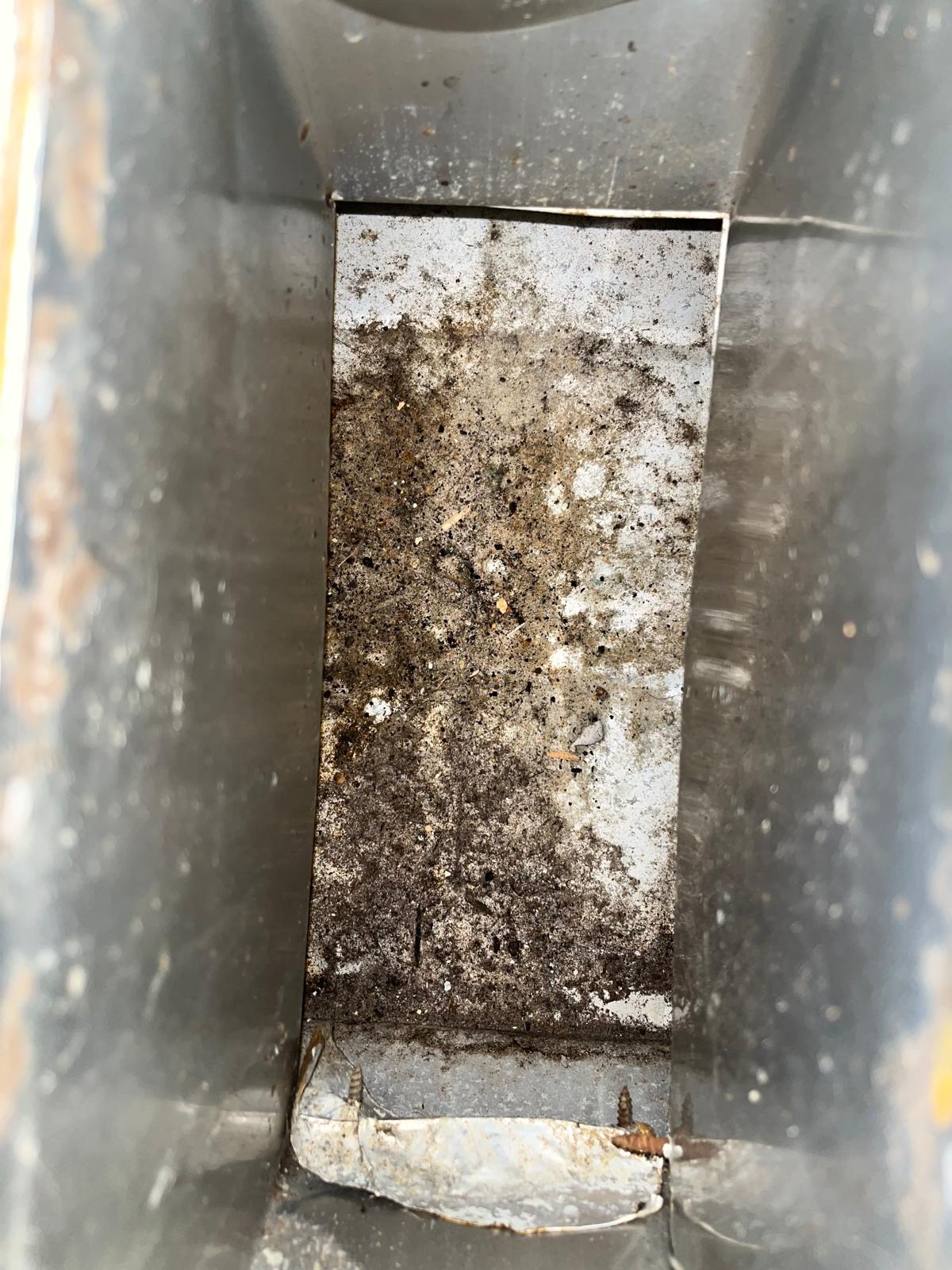
7 signs of mold in your air ducts
- Musty, mildewy smell when the AC starts. The classic sign. The smell is the volatile compounds the mold colony produces.
- Visible black, green, or pink spots around vent registers. If it’s visible on the grill, it’s much worse inside.
- Allergy symptoms that worsen indoors. Runny nose, itchy eyes, congestion that gets better when you leave the house is a textbook indoor air quality red flag.
- Persistent unexplained headaches or fatigue. Some species of mold (Stachybotrys, Penicillium) produce mycotoxins that affect the nervous system.
- Worsening asthma. Asthmatics react strongly to airborne mold spores. If a long-controlled asthmatic suddenly needs the rescue inhaler more, look at the air supply.
- Excessive dust on furniture even after cleaning. Some of that “dust” is actually fragmented mold material being blown through the supply.
- Condensation or water staining on the ceiling near a register. Sign of a duct moisture problem feeding mold growth upstream.
Is mold in air ducts actually dangerous?
For most healthy adults, low-level duct mold is more of a nuisance and an irritant than an emergency. But it stops being a small problem fast if you have:
- Children, especially infants
- Adults over 65
- Anyone with asthma, COPD, or other lung conditions
- People with compromised immune systems (chemo patients, organ transplant recipients, etc.)
- Pregnant women
The EPA explicitly notes that indoor mold exposure can trigger asthma attacks, nasal congestion, throat irritation, coughing, and skin/eye irritation, with more severe reactions in sensitive populations. If anyone in your household is in those groups, treat duct mold as urgent.
SunDuct provides honest, NADCA-standard air duct cleaning plus EPA-registered antimicrobial sanitizing across the Treasure Coast.
Call 772-577-2765 or request a free quote.What to do if you suspect mold in your air ducts
The right response depends on how widespread the problem is. Here’s the practical sequence:
Step 1 — Get a real inspection
Don’t just sniff and hope. A professional duct cleaner can drop a camera into the trunk line and supply branches and show you exactly what’s in there. You want to see the system before paying for any treatment.
Step 2 — Fix the moisture source
Cleaning ducts without fixing what’s feeding the mold is throwing money away. Common culprits: leaky return plenum, undersized condensate drain, water intrusion at attic level, or AC unit oversized for the home.
Step 3 — Choose treatment based on severity
- Light surface mold inside ducts — full NADCA-standard cleaning + EPA-registered antimicrobial fog through the system handles it.
- Heavy mold on the air handler housing, insulation, or drywall — call a licensed mold remediation contractor for that part of the work. Duct cleaning companies (us included) don’t and shouldn’t do drywall demolition.
Step 4 — Schedule annual maintenance
In Florida, once is rarely enough. Annual duct cleaning + filter changes + an AC tune-up is the realistic maintenance cadence to keep mold from coming back.
Can I clean mold in air ducts myself?
Surface dust at the register vents? Sure — wipe down the grill with a 1:10 bleach solution, let it dry, screw it back on. But the moment you suspect mold has gotten past the register and into the duct itself, DIY stops being a good option. You need:
- A HEPA negative-air machine to contain spores while cleaning
- Rotating brushes that can travel the length of the duct
- Camera inspection equipment
- EPA-registered antimicrobial that’s safe for HVAC systems
- PPE that won’t fail (mold can be aspergillus, which is no joke)
Hardware-store “duct cleaning” sprays you can spritz into the vents don’t reach the trunk line, and using bleach in HVAC ducts is actively a bad idea (it corrodes the sheet metal and damages the AC coil).
When in doubt — call
If you’re reading this because you smell something off when the AC runs or someone in the house has worsening allergies, get a professional set of eyes on the system. We’ll do honest inspection first — quote in writing, no scare tactics, no upsells. Call SunDuct at 772-577-2765 or request a quote online and we’ll be out same-day or next-day across Port St. Lucie, Vero Beach, Fort Pierce and the rest of the Treasure Coast.
Got air-duct or dryer-vent questions?
SunDuct is the Treasure Coast’s local team for honest, NADCA-standard cleaning. Same-day appointments often available.
Frequently Asked Questions
Mold in air ducts: common questions
How long does it take to remove mold from air ducts?
For a normal single-system home with surface mold in the duct runs, a full NADCA-standard cleaning plus an EPA-registered antimicrobial takes about two to three hours start to finish, and you can use the system the same day. That is a cleaning job. Heavy mold growth on the air handler cabinet, on duct insulation, or on drywall around the return is a different job entirely: that is remediation, it needs a licensed mold remediation contractor, and it typically runs across several days because containment has to go up and the moisture source has to be repaired first. If someone quotes you a two-hour fix for a heavy remediation, that is a red flag.
How common is mold in ductwork, really?
Less common than the industry would like you to believe. Real mold colonization needs a moisture source: a roof leak above the ducts, a leaky return pulling humid attic air, a blocked condensate drain, or an oversized system that short cycles and never dehumidifies. Plenty of the black staining people photograph and send us is dust and lint on the register grille, which looks alarming and wipes off. We do find genuine mold in Treasure Coast homes and it is a real problem when it is there, but we also open a lot of systems that are simply dusty, and we say so rather than upselling a remediation nobody needs.
Should I get a mold test before I clean the ducts?
Usually not. The EPA’s own guidance is that sampling for mold is unnecessary in most cases, because if you can see it or smell it you already know you have a moisture problem and the answer is the same either way: find the water, fix the water, clean up what grew. Air sampling is also hard to interpret, since spore counts move around with weather and time of day. Testing does make sense in two situations: you need documentation for an insurance claim or a real estate transaction, or somebody in the house has a medical reason to need it. In Florida, mold assessors and mold remediators are licensed separately, and there are restrictions on one company doing both on the same job, which is the state’s way of stopping the person who tests from also selling you the cure.
Will homeowners insurance cover mold in my air ducts?
Sometimes, and the deciding factor is usually what caused it. Policies generally respond when mold results from a sudden covered event, a burst supply line or a storm-damaged roof that let water in, and generally exclude mold that grew slowly from ordinary humidity or from deferred maintenance. Florida policies also commonly cap how much they will pay toward mold even when it is covered. Read your own policy language and call your agent before you assume either way, and photograph everything before anyone touches it. This is genuinely a question for your insurer, not for a duct cleaning company, and we would rather point you there than guess on your behalf.
Will a better filter or a UV light stop mold from coming back?
Neither one does what people hope. A good pleated filter catches spores travelling through the system, which is worth doing, but it does nothing about growth already sitting on duct surfaces downstream of it, and pushing to a very high MERV rating on a system that was not designed for it can choke airflow and make things worse. A UV lamp works on the surfaces it actually shines on, normally the evaporator coil and the drain pan, and it does not reach around corners into your duct runs. Both are reasonable add-ons once the real problem is solved. Neither replaces fixing the moisture source, and if the moisture is still there the mold comes back regardless of what you installed.